











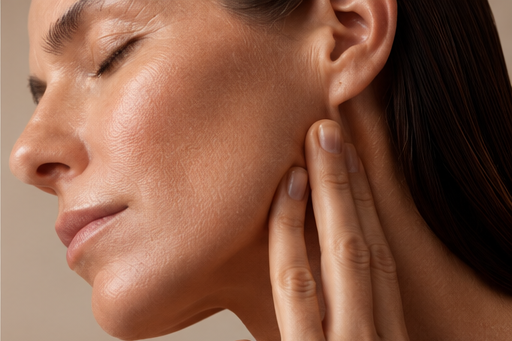
Facial Massage Techniques: Gua Sha, Lymphatic Massage & Precision Pressure
Facial massage is often discussed as though it were a single technique, but it is not. A long Gua Sha stroke, a five-second static press on the jaw and a feather-light directional movement along the neck all involve touch, yet they have different objectives and use very different levels of pressure. Understanding these facial massage techniques, and when to use each one, is one of the simplest ways to make your skincare ritual more intelligent.
This guide explains the three techniques at the heart of the IRÄYE approach, precision pressure, Gua Sha and lymphatic-inspired massage, and helps you choose the right one for how your face feels today.
Facial Massage Techniques at a Glance
|
Technique |
Best for |
Pressure |
Movement |
IRÄYE tool |
|---|---|---|---|---|
| Precision pressure | Facial tension: jaw, temples, brows, forehead | Controlled and targeted | Static presses and micro-circles | Precision Facial Release Tool |
|
Gua Sha |
Sculpting and the look of puffiness | Light to moderate | Long gliding strokes | Eye & Face Gua Sha |
|
Lymphatic-inspired massage |
Puffiness and fluid retention | Very light | Slow, directional strokes towards the neck | Fingertips or Gua Sha |
Technique 1: Precision Pressure for Facial Tension

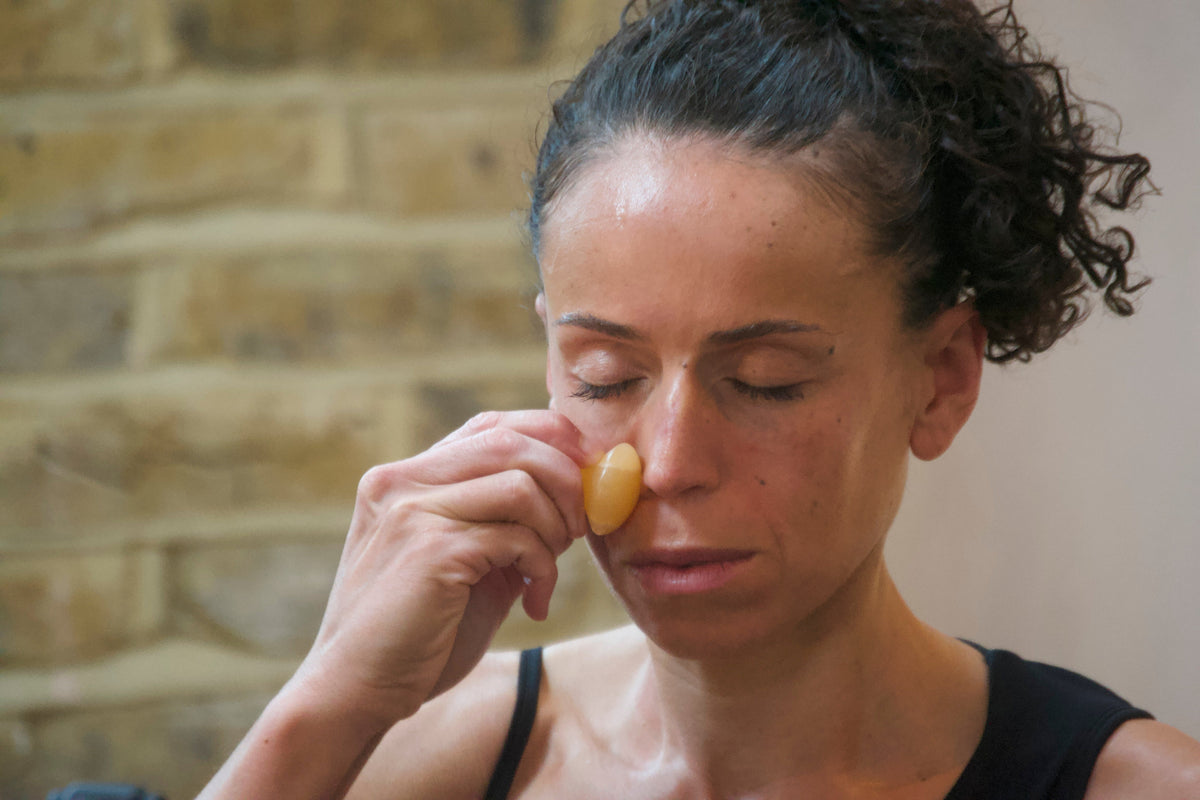
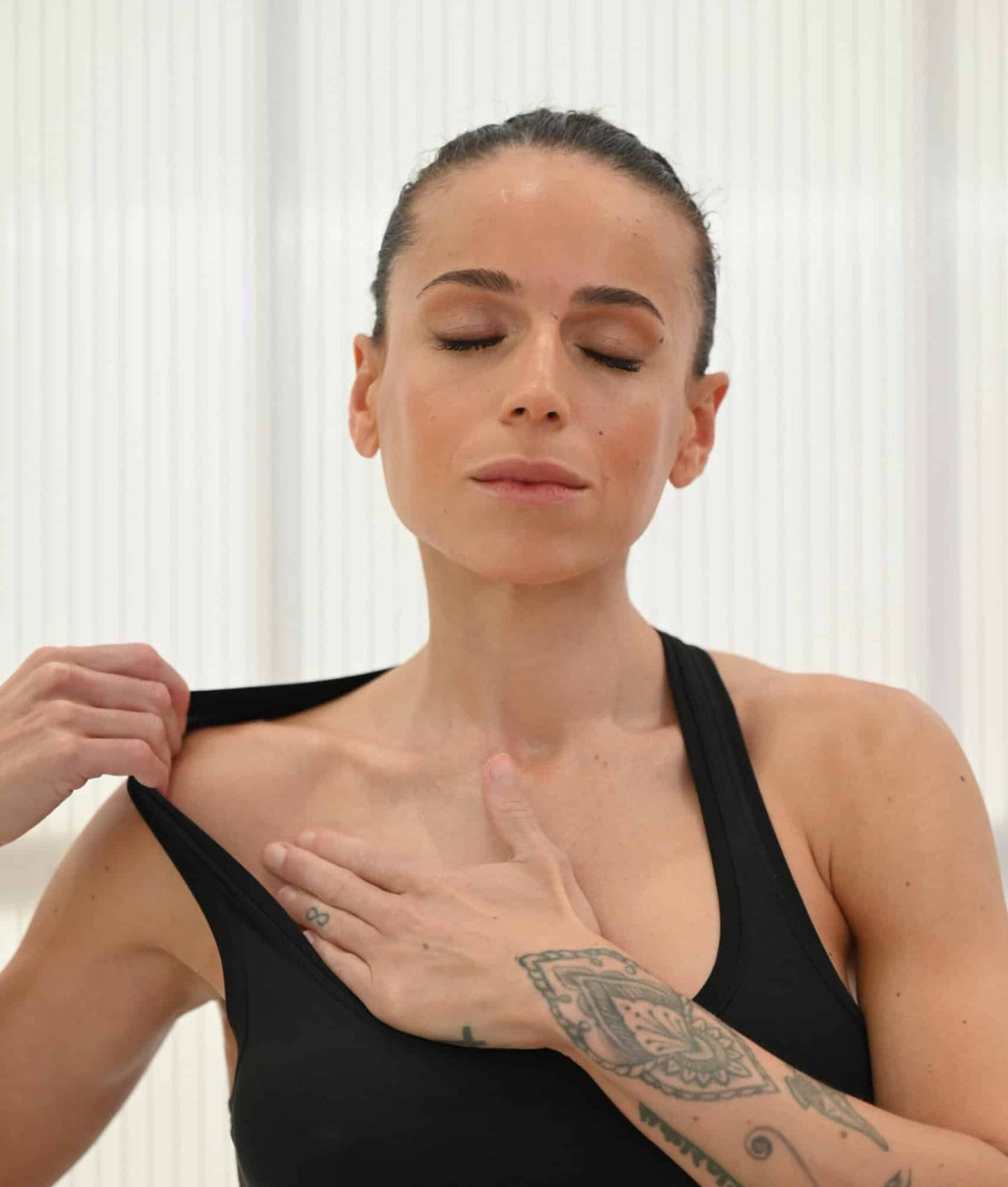
Precision work focuses on small areas rather than the whole face. Instead of sweeping across the skin, the tool stays almost stationary while pressure is applied for a few seconds and then released. Small circular or oscillating movements can follow. The jaw, temples, brow line and forehead suit this approach particularly well, because they are the areas where people most often feel muscular tension.
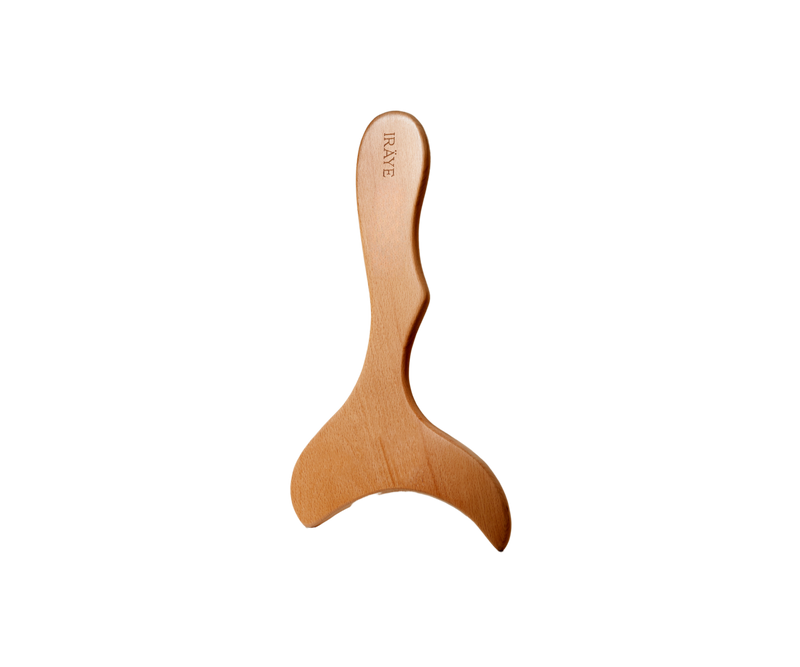
This is also where a dedicated tool earns its place. Fingertips are highly sensitive, but a small rounded end makes it easier to return to exactly the same point and apply consistent, controlled pressure to a very specific area. The idea is not that one point on the face controls another part of the body; it is simply that small zones deserve precise attention.
Technique 2: Gua Sha for Sculpting and Puffiness

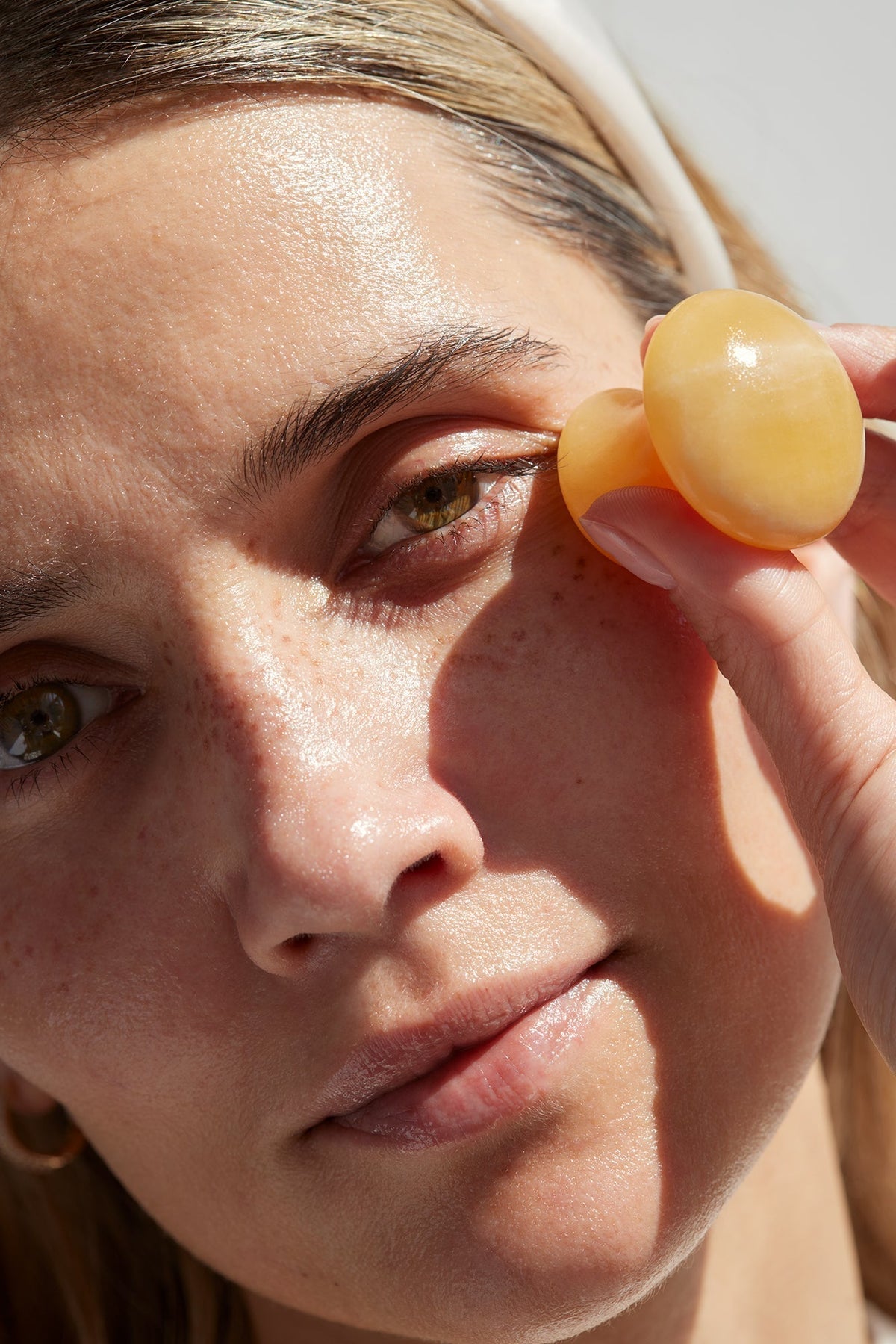
Gua Sha works differently. Its larger, flatter surface makes it suited to broader contact with the skin and longer gliding movements across the face. Rather than focusing on one small point, Gua Sha typically travels across larger areas such as the jawline, cheekbones and neck. That makes it a natural partner for a lymphatic-inspired skincare ritual and for concerns such as the look of puffiness.
For a technique designed around broad gliding movements, discover the IRÄYE Eye & Face Gua Sha. Crafted from naturally cooling Yellow Topaz, it is shaped for the eye contour, face and neck, and built around three intentions: Sculpt. Drain. Glow.
The key difference is movement. With Gua Sha, the tool travels. With precision release, the tool targets.
Technique 3: Lymphatic-Inspired Massage for Puffiness

One of the most common mistakes in facial massage is assuming that more pressure means more effect. For lymphatic work, the opposite is true. Manual lymphatic drainage is a therapeutic technique, used in clinical settings such as lymphoedema care, that relies on a light, skin-stretching touch, much softer than a traditional massage. For beauty rituals inspired by these principles, the practical takeaway is simple: lymphatic-style movements should be light, never deep.
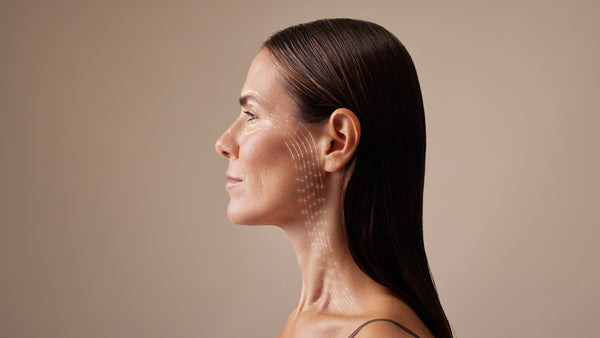
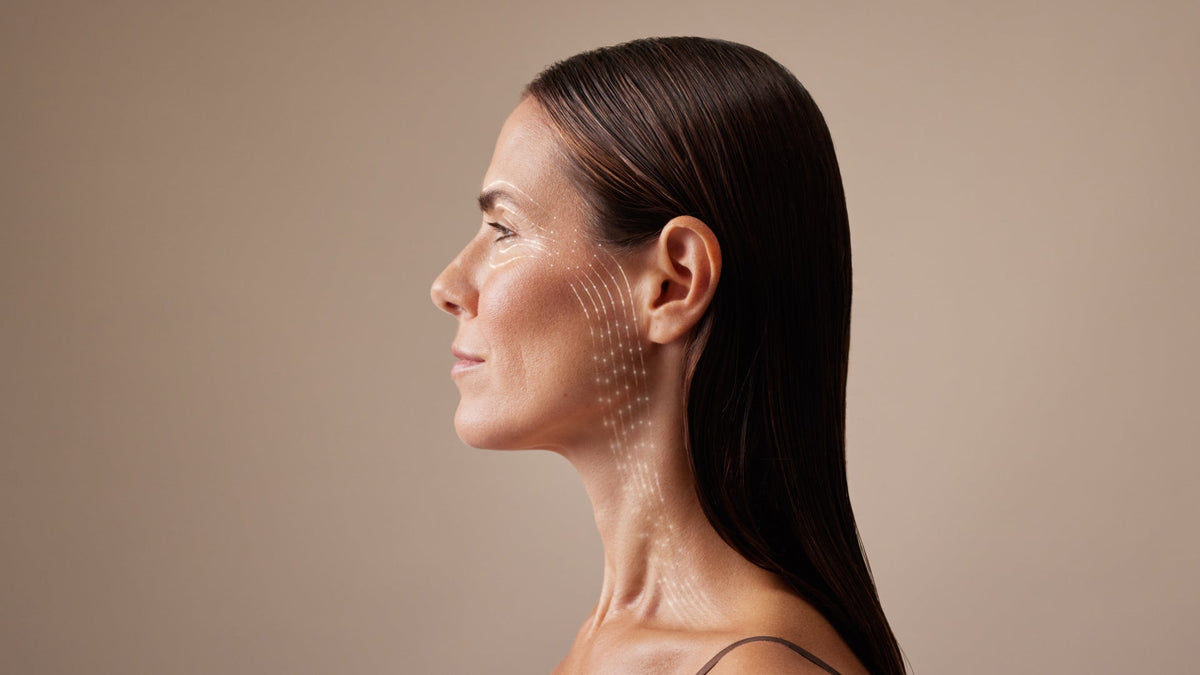
In the face, lymph drains through networks around the jaw, in front of the ears and down the neck before ultimately returning to the bloodstream. A lymphatic-inspired facial massage therefore follows these pathways: slow, gentle strokes from the centre of the face outwards, then down the sides of the neck towards the collarbone. Pressing hard on a lymph node does not “open” it, and targeted pressure does not directly “activate” lymphatic vessels. The aim is gentle directional movement that respects how close to the surface much of this network lies.
To understand how IRÄYE approaches the lymphatic system in greater depth, discover The Science Behind IRÄYE, where we explain how our patent-pending LYMPHACTIVE™ technology was developed around the skin’s lymphatic function.
Blood Flow vs Lymphatic Flow: What’s the Difference?
Blood circulation is part of the cardiovascular system. The heart pumps blood through the vessels, delivering oxygen and nutrients to the tissues and carrying waste products away. Facial massage can temporarily increase blood flow in the skin: in one small study, five minutes of roller massage increased blood flow in the treated cheek.
The lymphatic system is a separate network. It collects excess fluid from the tissues and transports it through lymphatic vessels and nodes before returning it to the bloodstream, without a central pump like the heart. The two systems are distinct, but they sit closely together within the same tissues. That is why it makes more sense to think of the face as one connected environment than as a set of isolated systems. For a closer look at what lies beneath the skin, read What Is Facial Fascia?
Which Facial Massage Technique Should You Choose?
• If your face looks puffy: think FLOW. Choose light, directional massage or your Eye & Face Gua Sha.
• If your jaw or temples feel tight: think RELEASE. Choose precise pressure and small local movements with the Precision Facial Release Tool.
• If your complexion simply looks tired: a short massage ritual provides sensory stimulation and helps the skin look more awake.
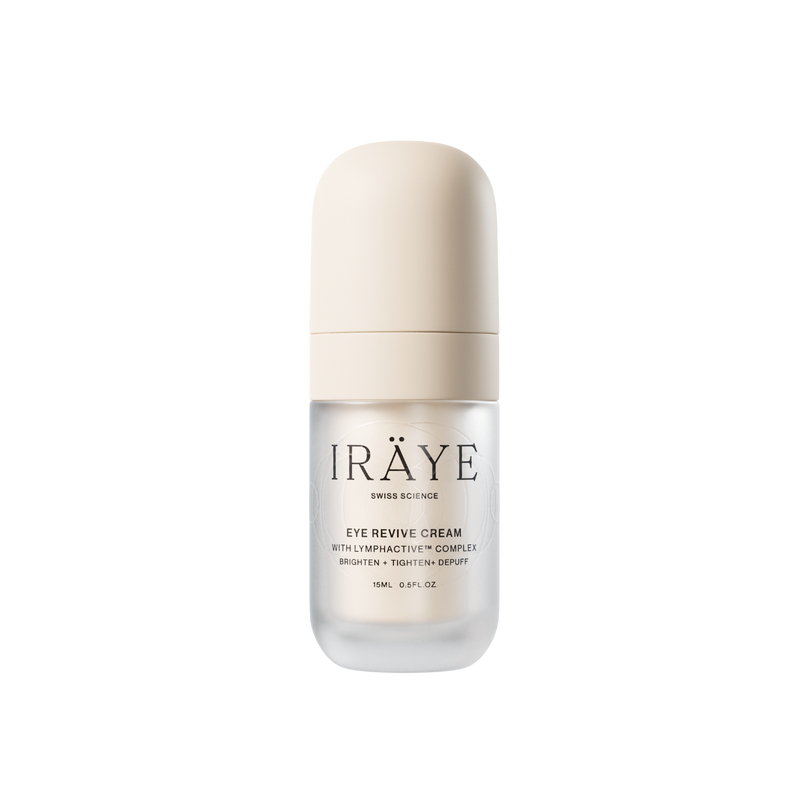
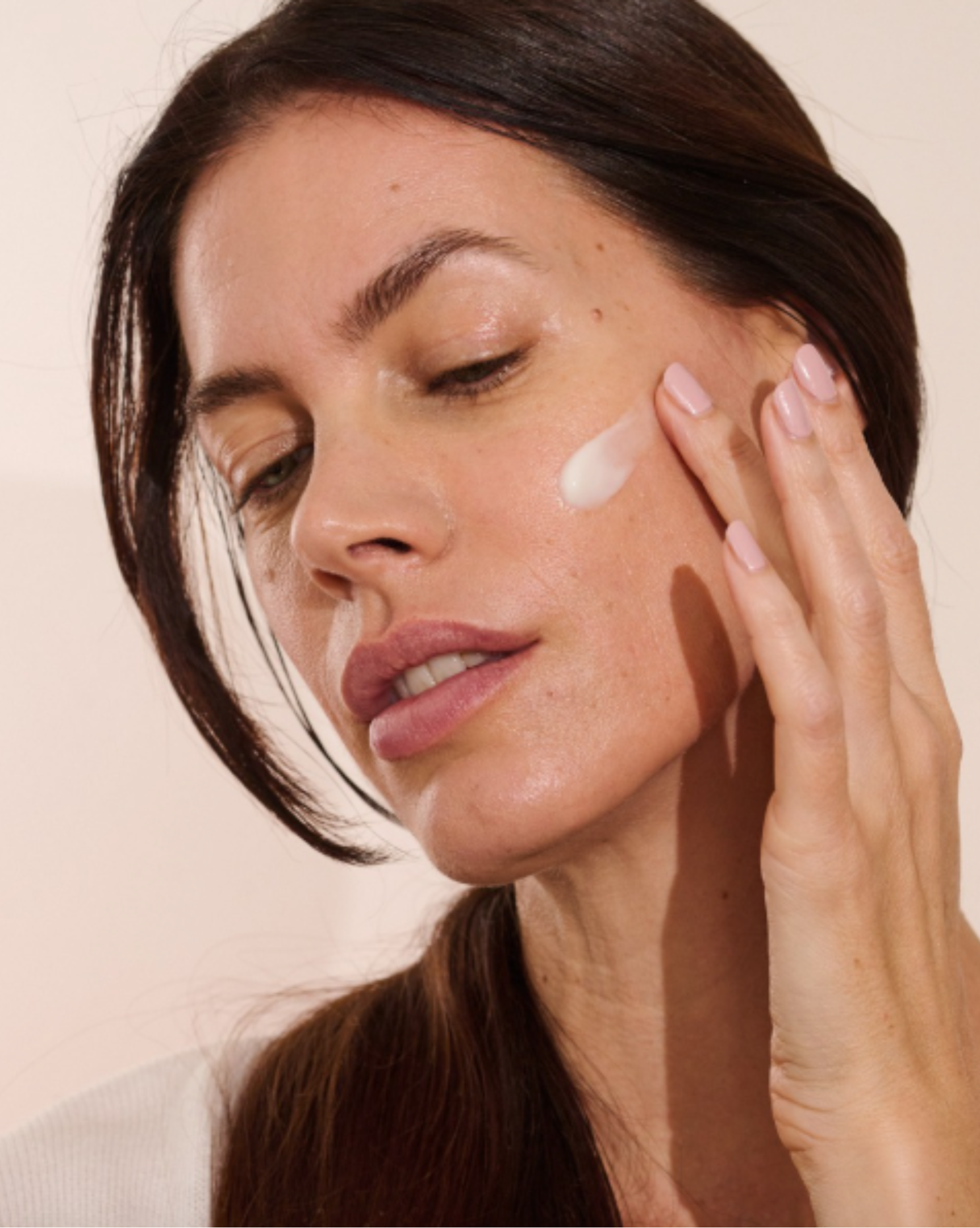
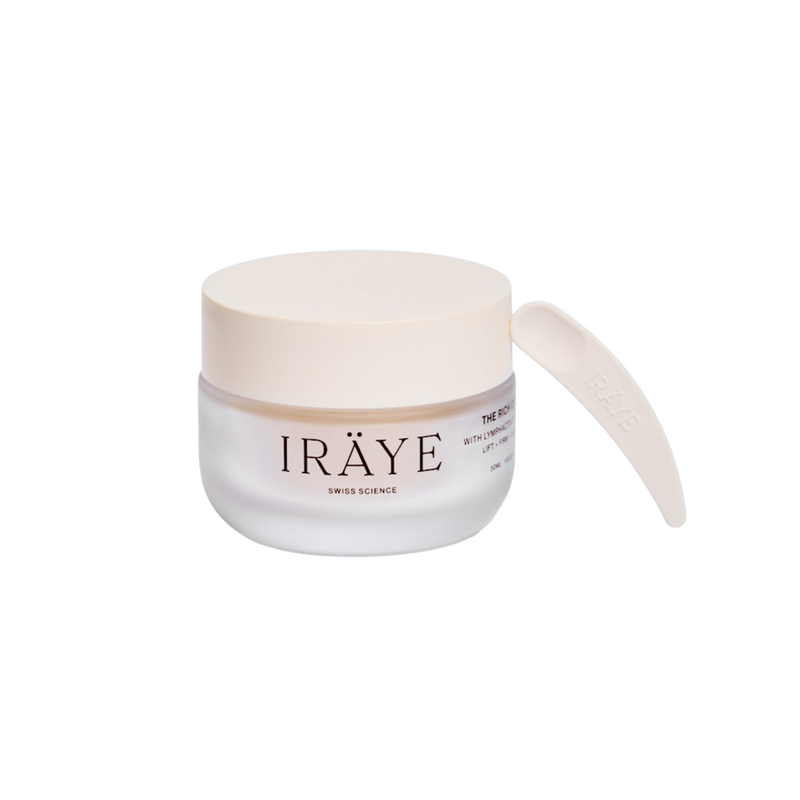
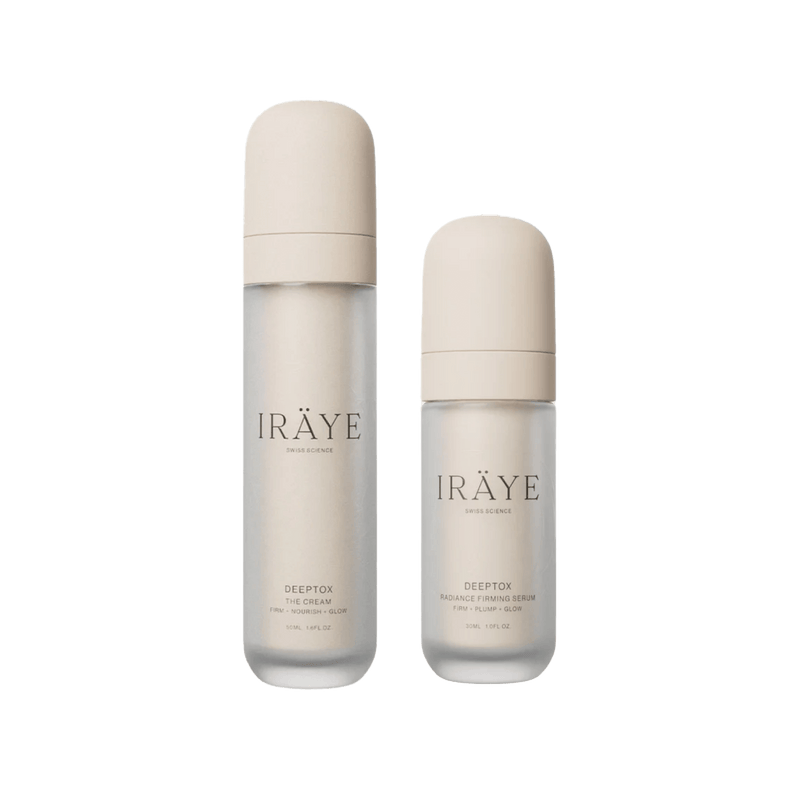
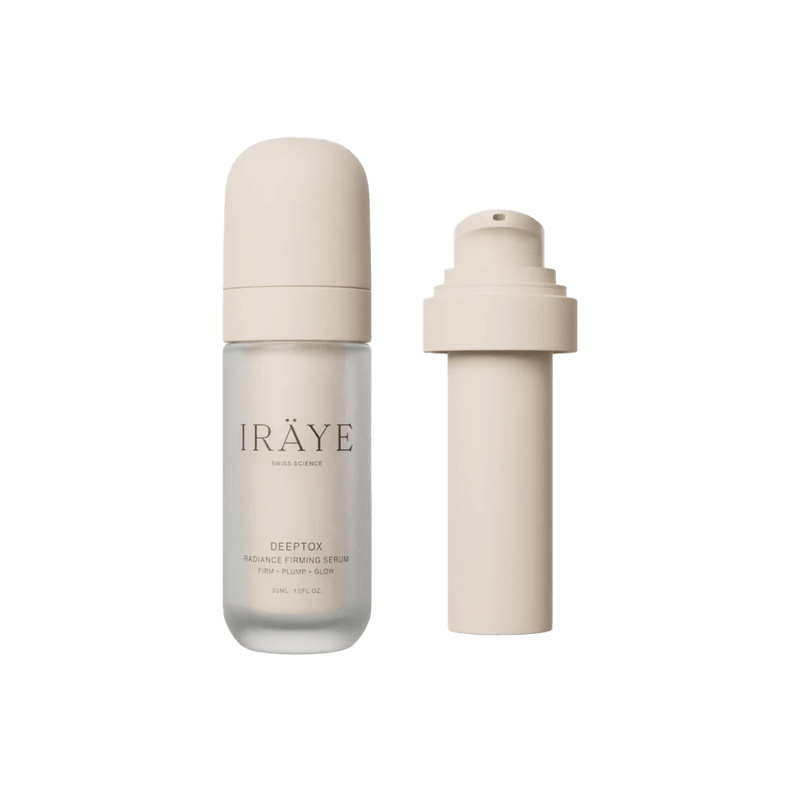
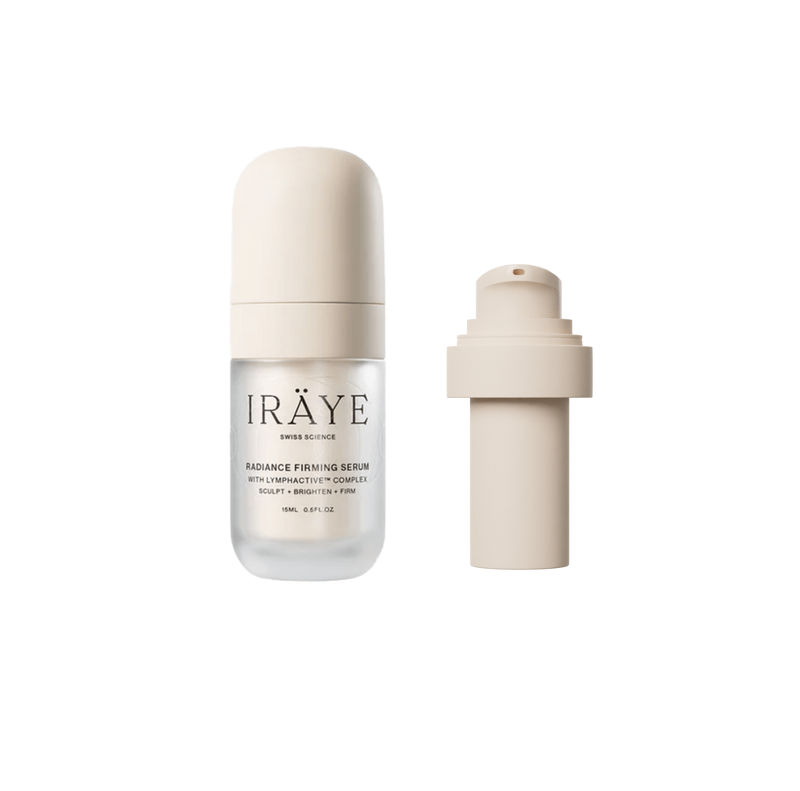
For skincare designed to complement any of these techniques, discover the Radiance Firming Serum with LYMPHACTIVE™. Formulated around the skin’s lymphatic function and clinically tested, it targets visible firmness, radiance and puffiness, and gives enough slip for a comfortable massage.
How to Combine Facial Massage Techniques
If your face feels both tense and puffy, combine the techniques, but in the right order: release first, then flow. This is the principle behind the IRÄYE Facial Release Method™: targeted pressure first, small controlled movements second, gentle directional massage last.